

Introduction to Game Design
About me





An artist is someone who takes you where you could never go alone.
So who is a game designer?
- What do they do?
- How do you become one?
- Why were they needed in the first place?
- How do they contribute to the making of games?
But let's take a step back and see how we got to this conclusion...
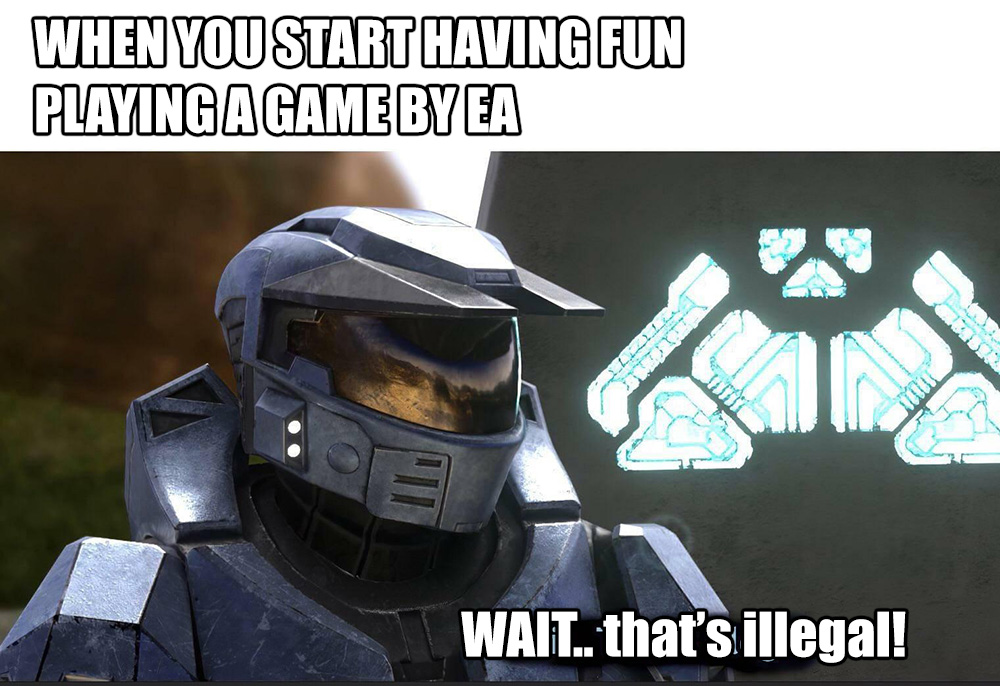
What is fun?
- Fun is defined by the Oxford English Dictionary as Light-hearted pleasure, enjoyment, or amusement; boisterous joviality or merrymaking; entertainment."
Fun is all about our brains feeling good - the release of endorphins into our system. There are a variety of complex cocktails of chemicals that result in different sensations.
What is play then?
We might call it a free activity standing quite consciously outside 'ordinary' life as being 'not serious' but at the same time absorbing the player intensely and utterly. It is an activity connected with no material interest, and no profit can be gained by it. It proceeds within its own proper boundaries of time and space according to fixed rules and in an orderly manner.

Okay... What about a game?
A game is a problem-solving activity, approached with a playful attitude.
In other words, games serve as very fundamental and powerful learning tools.
So how do we construct or design a game?
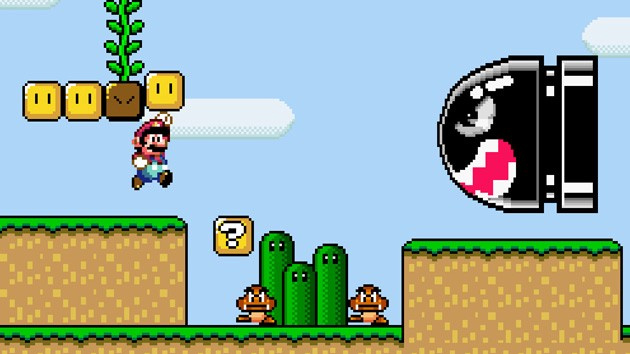
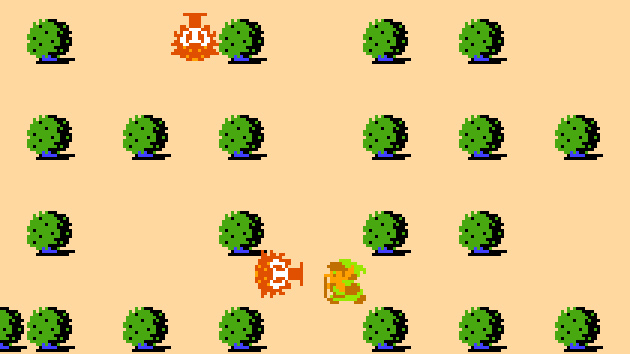
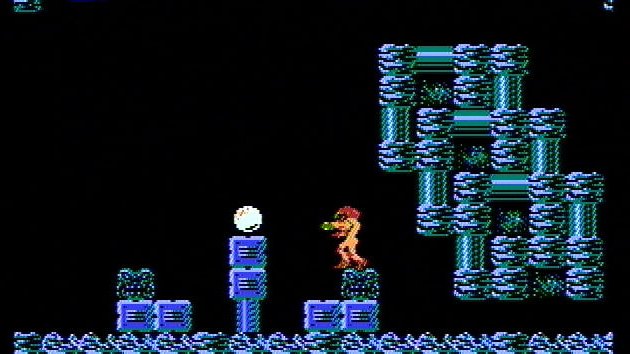
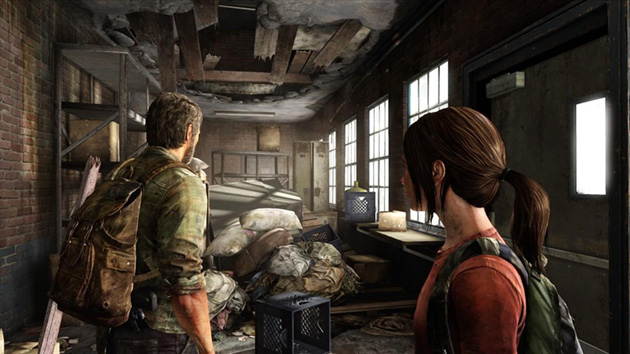
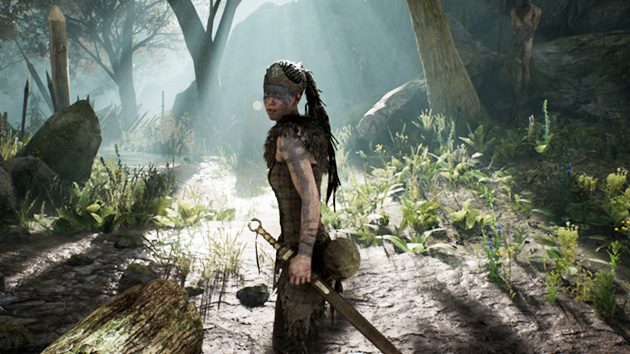
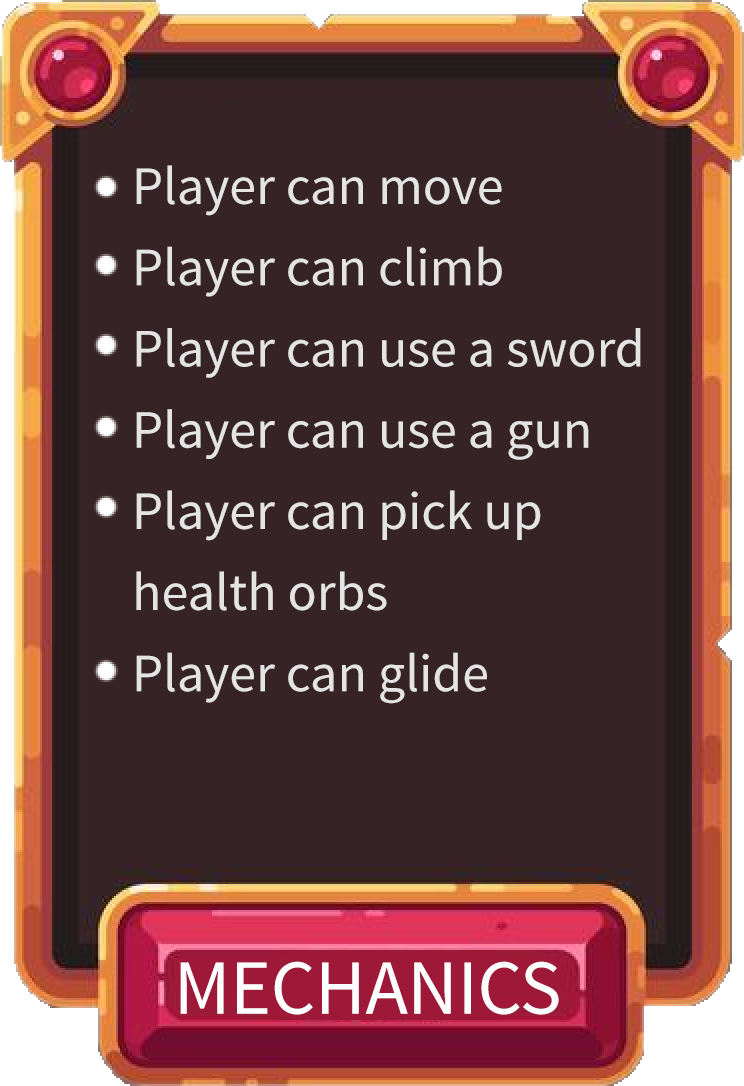
Mechanics
- Player can do an activity in the game that feels fun
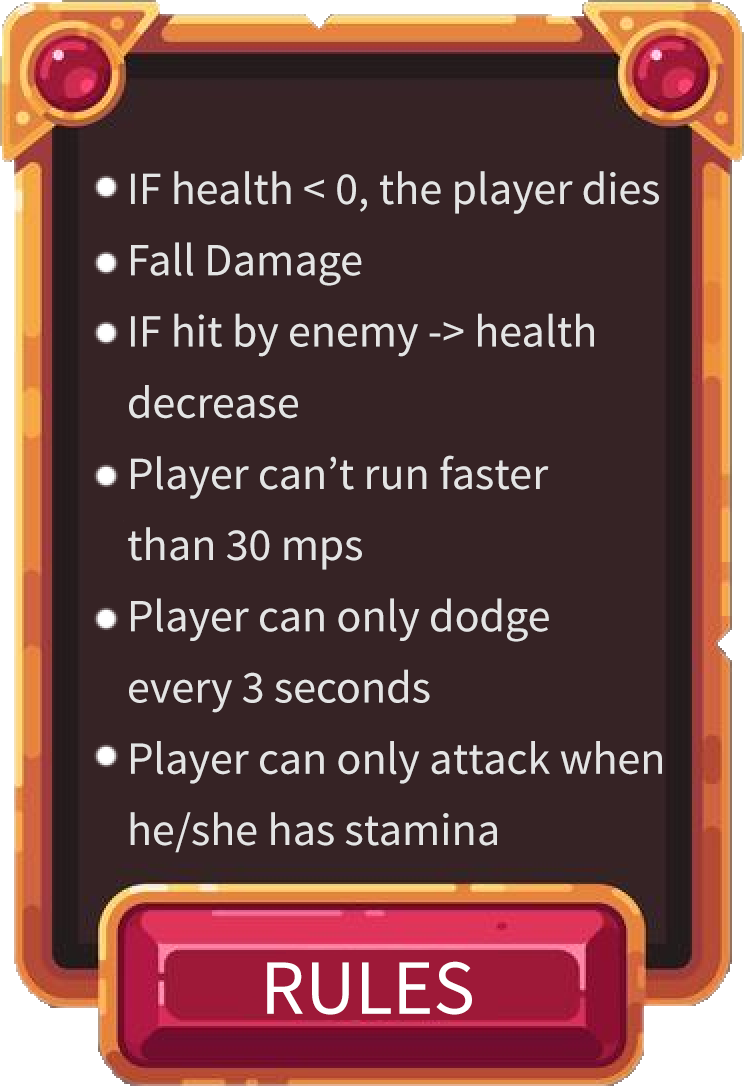
Rules
- There are rules that bound the player
- These rules feel fair and justified
- These rules are consistent
- They are clearly communicated to the player
- They can create win/lose conditions for the player to learn
Mechanics + Rules = Gameplay
Laying out patterns

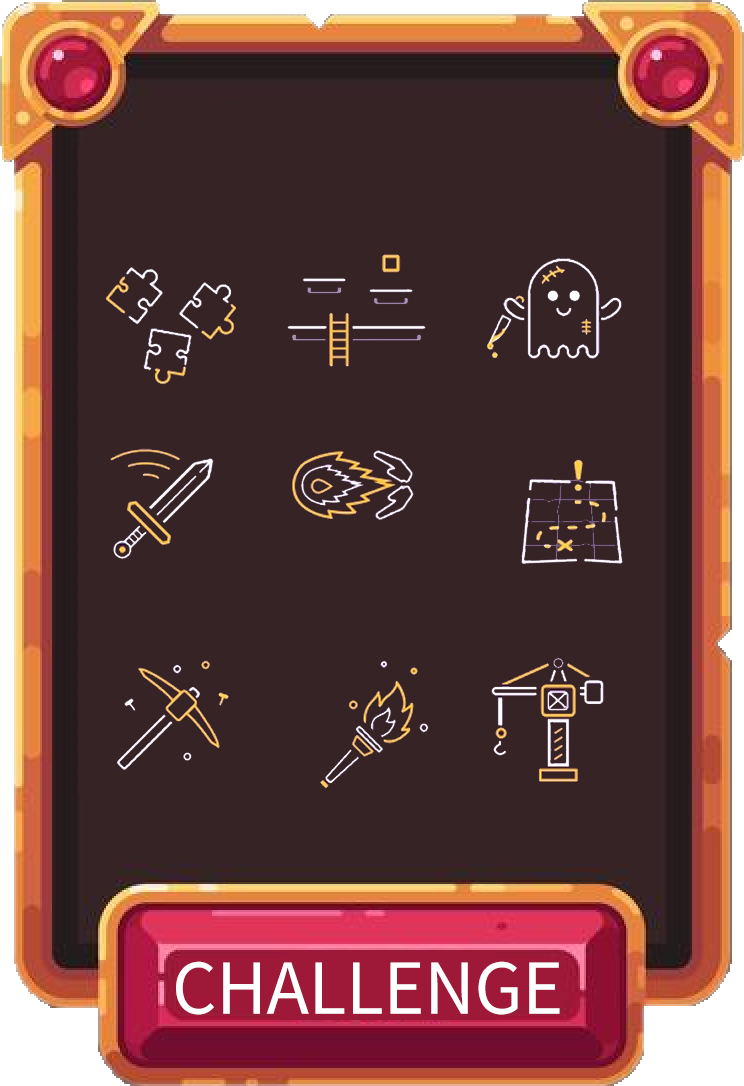
Challenge the Player's learning
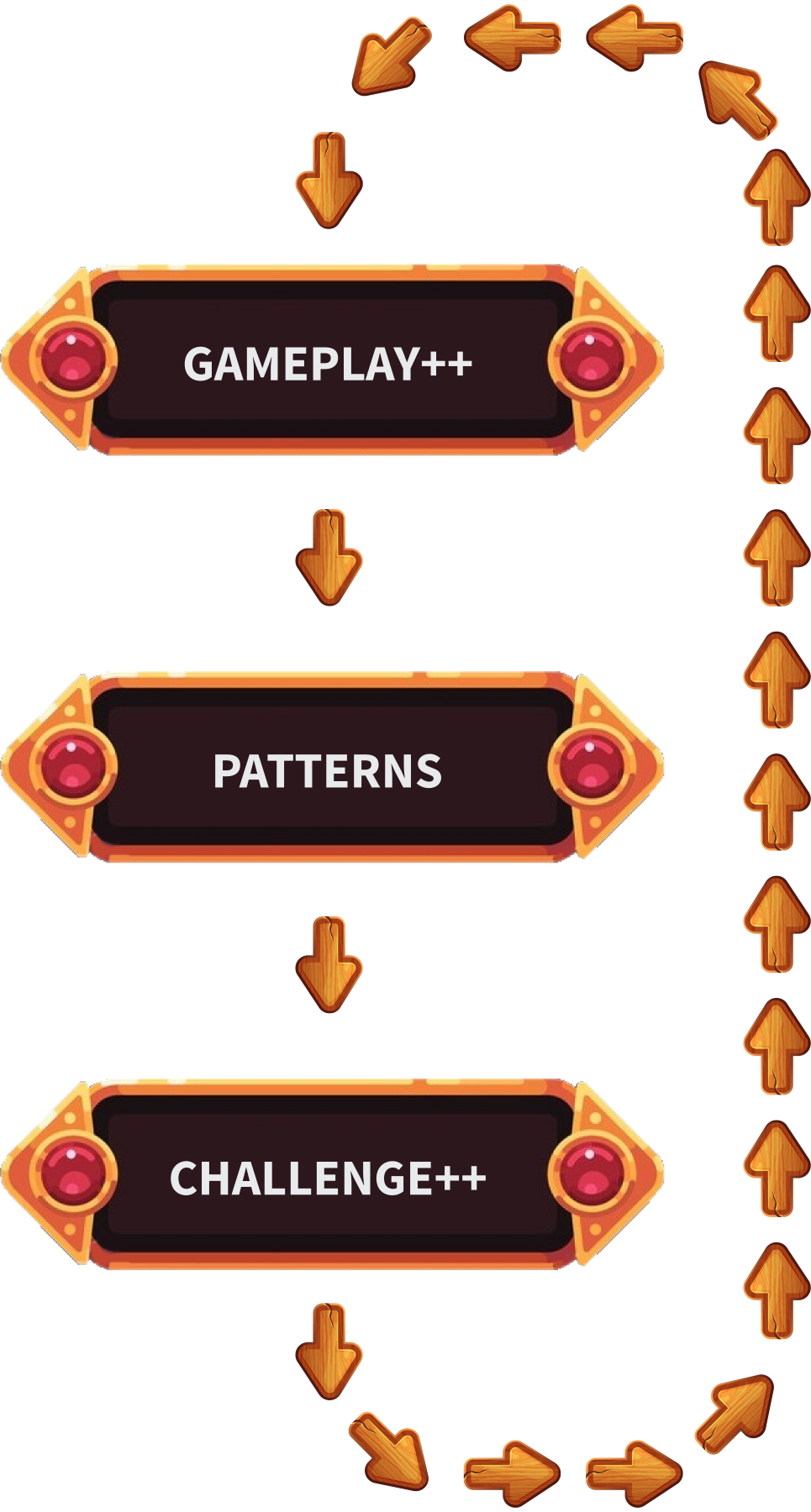
An Ever Expanding Loop
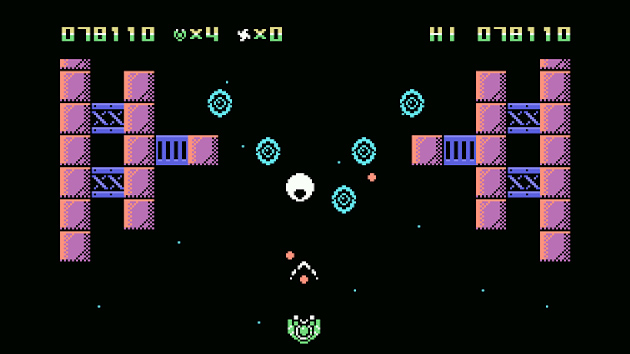
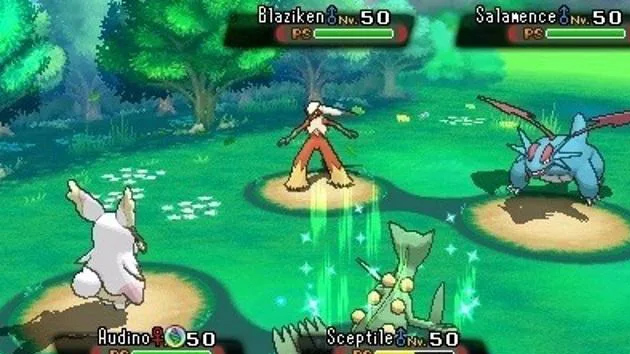
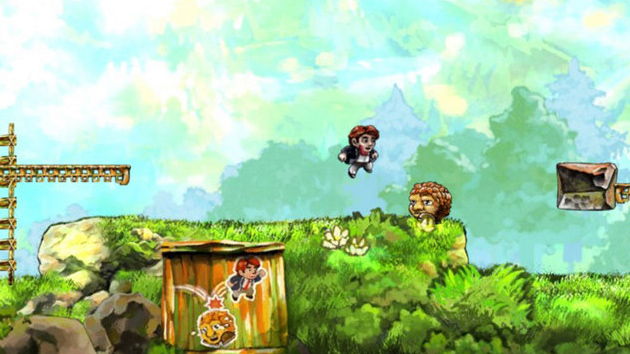
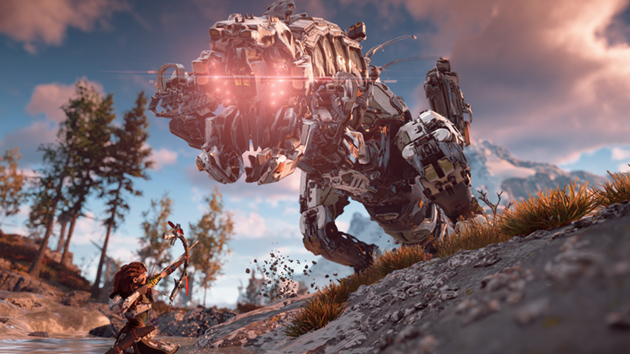
A few examples
- Let's define the mechanics and the rules
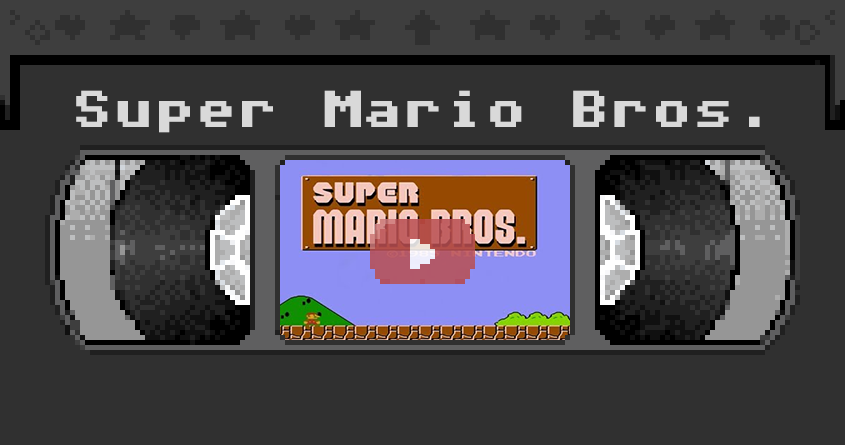
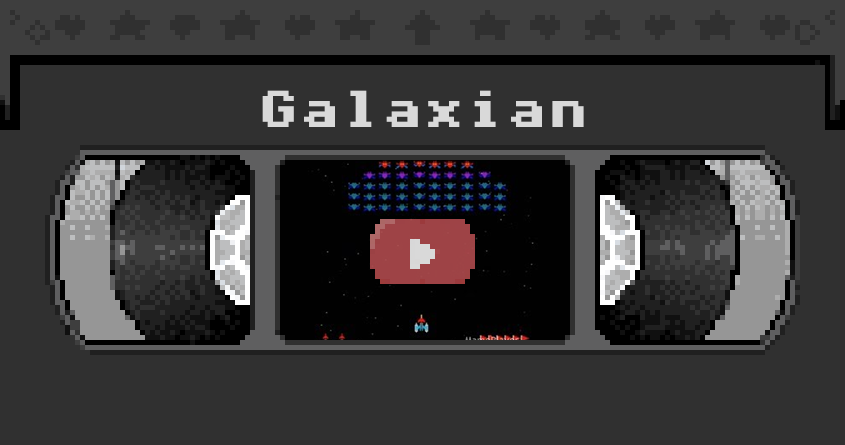
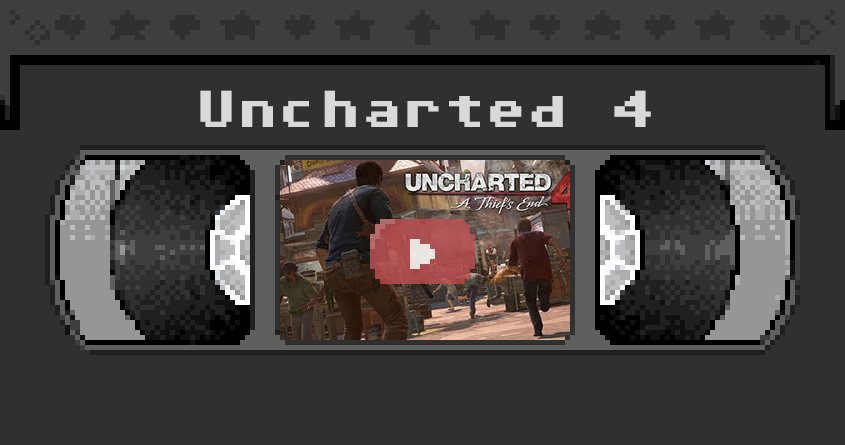
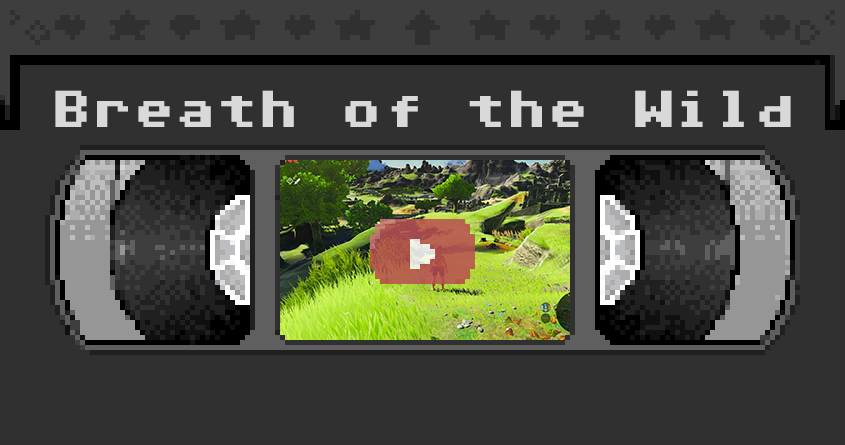
So a game designer is...
- Someone who designs & builds mechanics the player can use to interact with the game world.
- Someone who designs & creates rules the player and the world is bound to.
- Someone who creates patterns for the player to learn & master.
- Someone who builds challenges, so the player can test their skills through these challenges.
- Someone who gives the player feedback when they succeed or fail, so the player
can get the validation, or learn from their mistakes. - Someone who teaches this whole structure, so the player can
finish the game before they are bored.
Game Design Subdivisions
- Gameplay Designer
- AI Behavior Designer
- Narrative Designer
- Combat Designer
- Encounter Designer
- World Designer
- Quest Designer
- Level Designer
- Many others that keep emerging as the scope increases

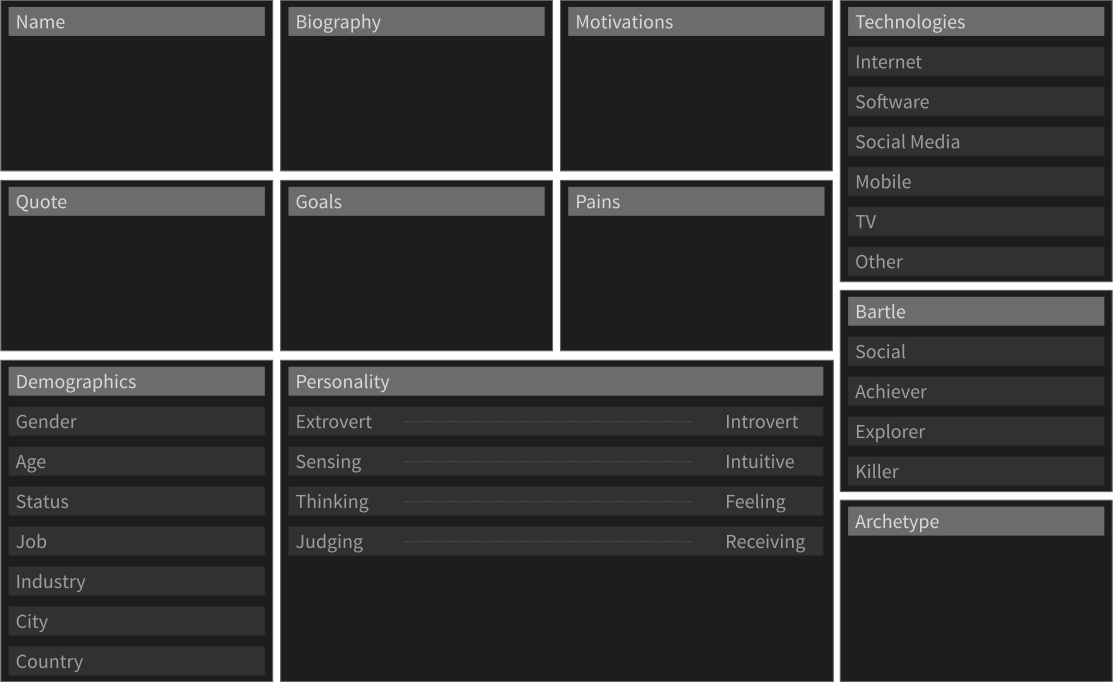
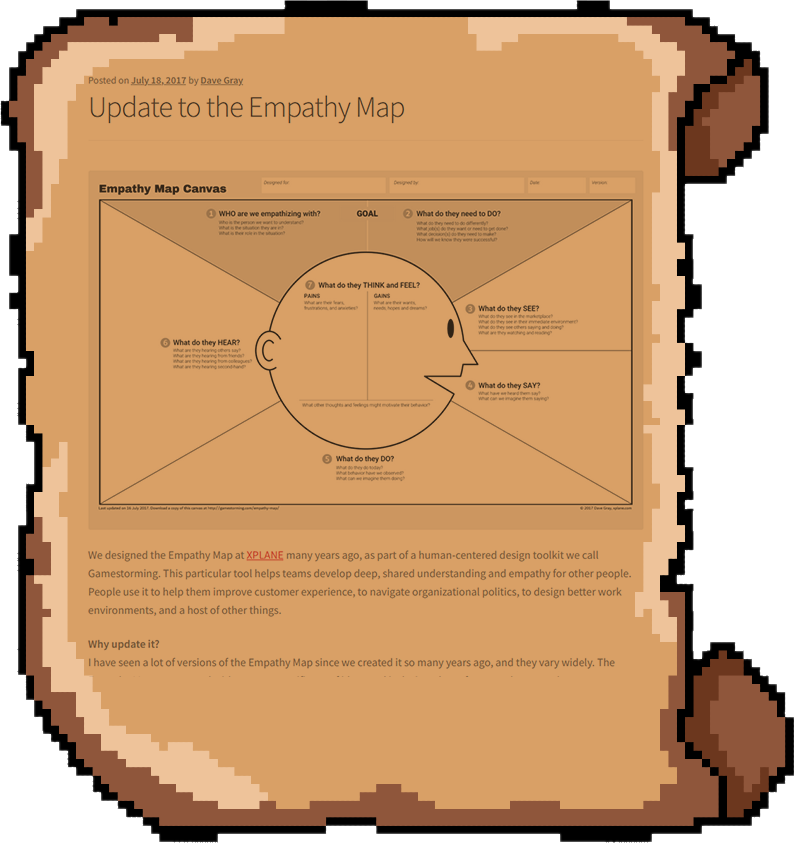
Player Personas & Empathy Maps
- Who am I building this game for?
- Why should they play my game?
- Why should it be a game in the first place? What's the hook?
- What am I trying to teach? What should challenge the player?
- Am I forcing them "to have fun"?
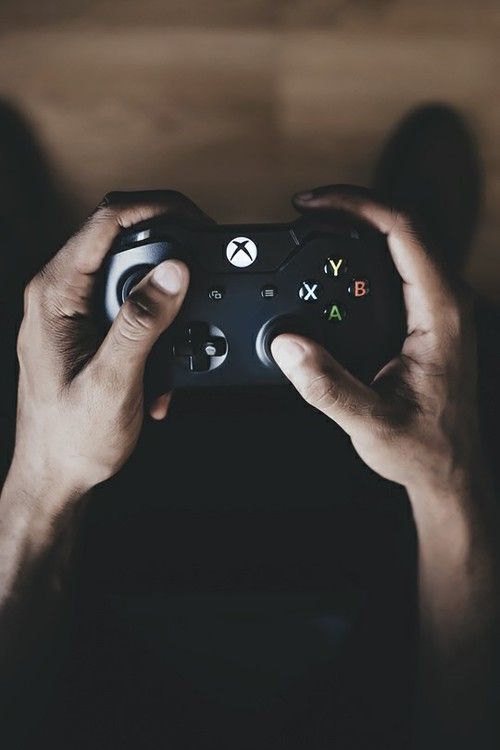
Player Personas
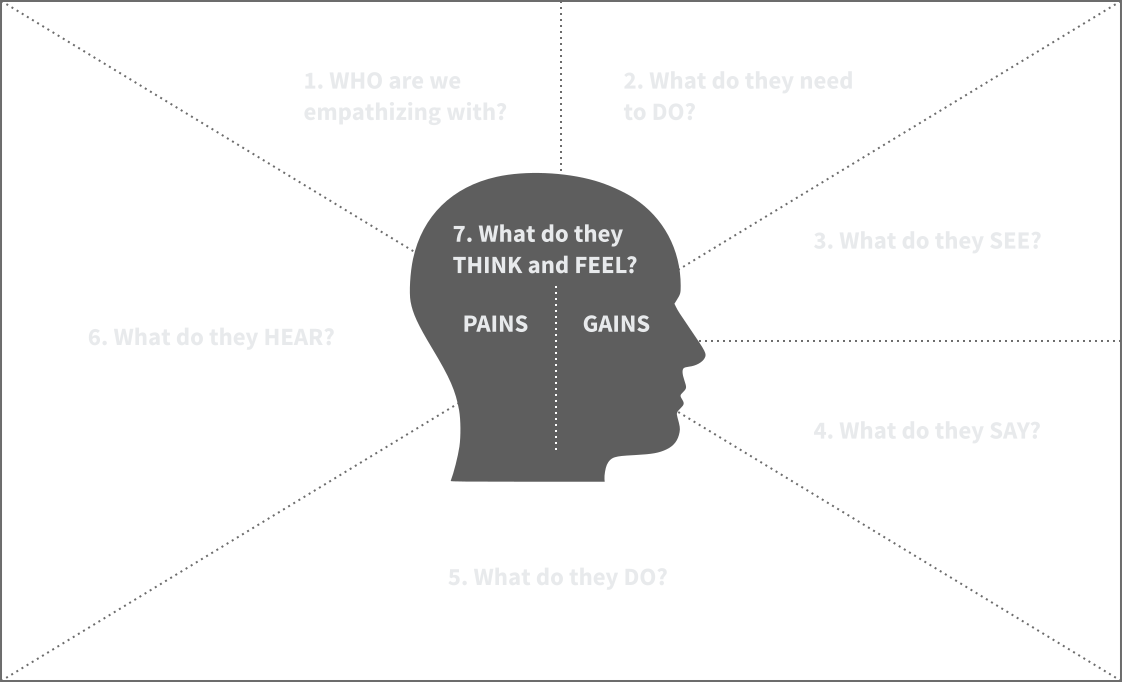
Empathy map canvas
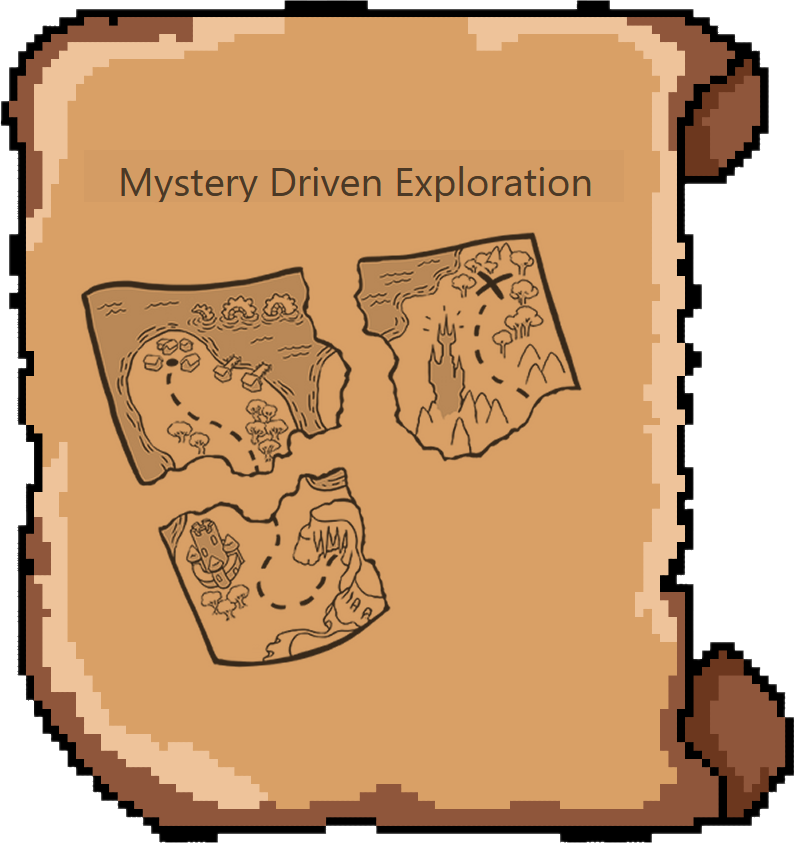
Patterns in other games
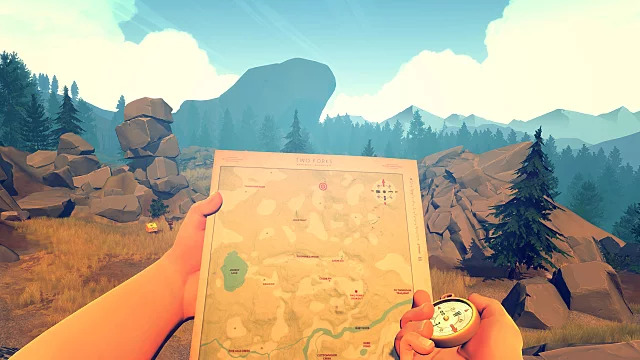
- Interesting but incomplete information can motivate exploration
in a variety of ways - Design Problem: Designers need to motivate their players
to explore the worlds they create. - Pattern Description: A designer may present the player with
compelling but incomplete pieces of information, and then give the player gameplay avenues that will allow them to seek out more information and solve the mysteries. - Example Games:
- Grand Theft Auto IV - a map shows the quests you can do in the area surrounding you at the moment
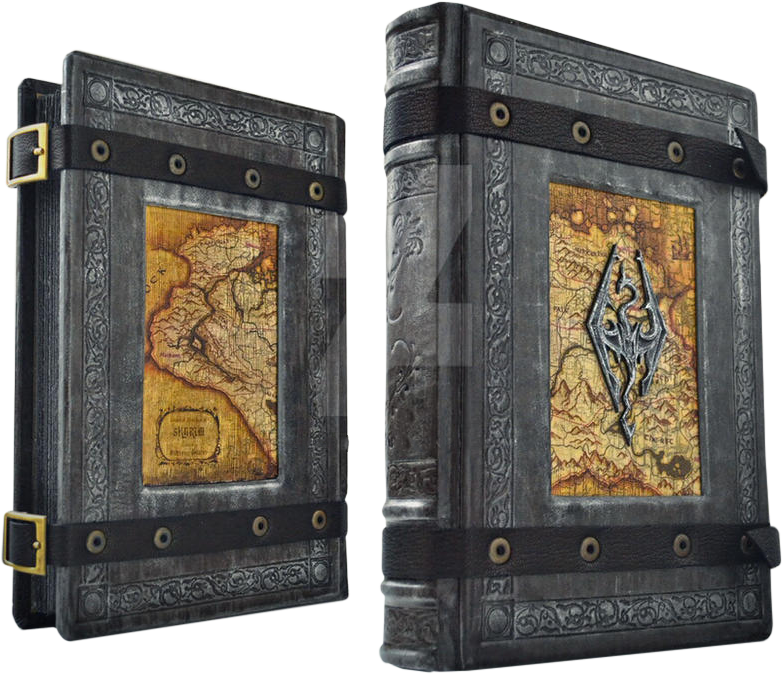
- Skyrim - a horizontal compass in your HUD shows nearby quests and point of interest.
- Dear Esther - a narrative voiceover that's compelling but vague
Design - Prototype - Get Feedback - Iterate
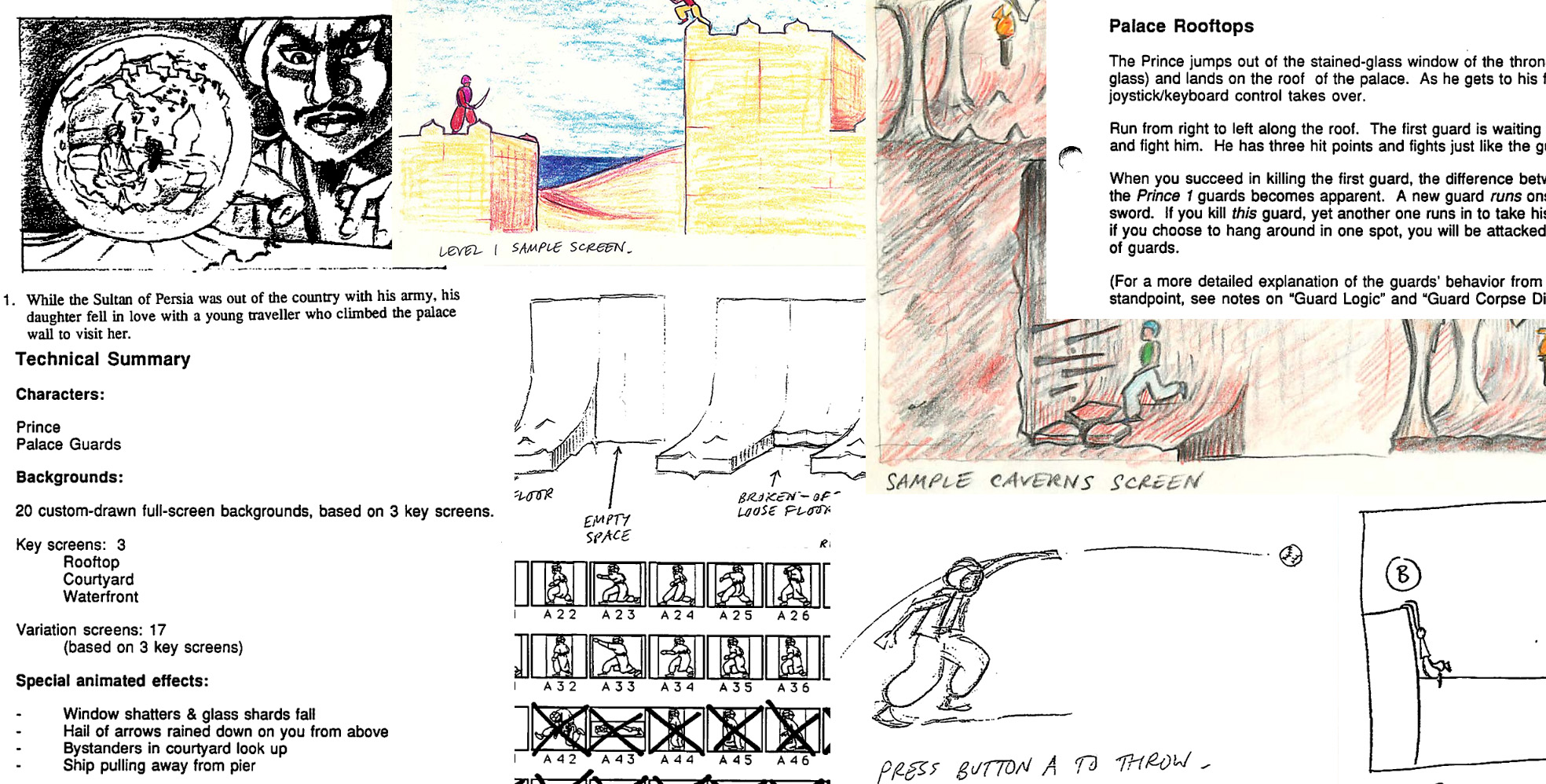
- Create a game design document
- Include your player persona & empathy map to show why and for who
- Cover the important points, make it short & understandable
- Look at other games of similar type
- How did they solve the design problems?
- Look for existing patterns
- Get to prototyping!
- Show it to people, get feedback.
- Iterate until you get to the "sweet spot"
- Don't be afraid to fail
- Practice your design skills
GDD Examples
- Free Game Design GDD Template
- Chris Taylor: GDD
- Design Doc Template
- Game Design Instruction Examples
- Or you can build your own. The purpose is to take your design and make it understandable.
- Leave certain parts up for interpretation, so you can experiment during prototyping.
Never forget that your ultimate goal is to create entertainment for the player.
Sources
- Jesse Schell, The Art of Game Design
- Raph Koster, A Theory of Fun
- Ernest Adams, Fundamentals of Game Design
- Stephen Dinehart, Narrative Designer. Fabulator Ludus
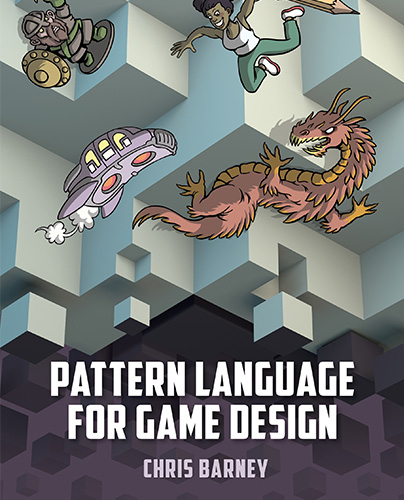
- Chris Barney, Pattern Language for Game Design

Indiepocalypse
Indie Games
Indie game is an independent game that is identified by the freedom and courage to put the idea above the profit.
Indie games are developed by individuals, small teams or small independent companies, having little to no budget available.
Indie games are games that are smaller in size, less taxing on hardware and focusing mostly on art design.
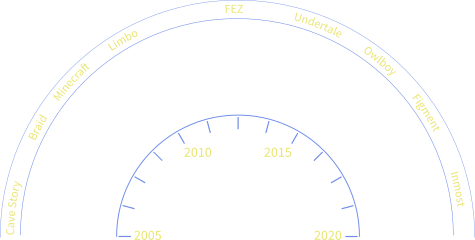
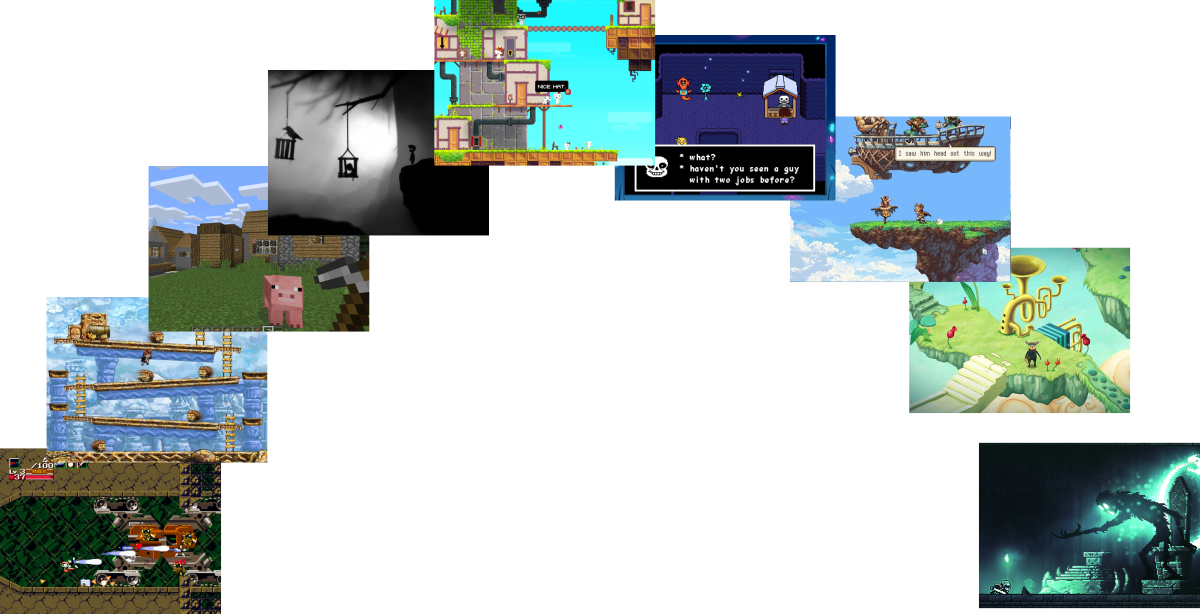
Indie games evolution
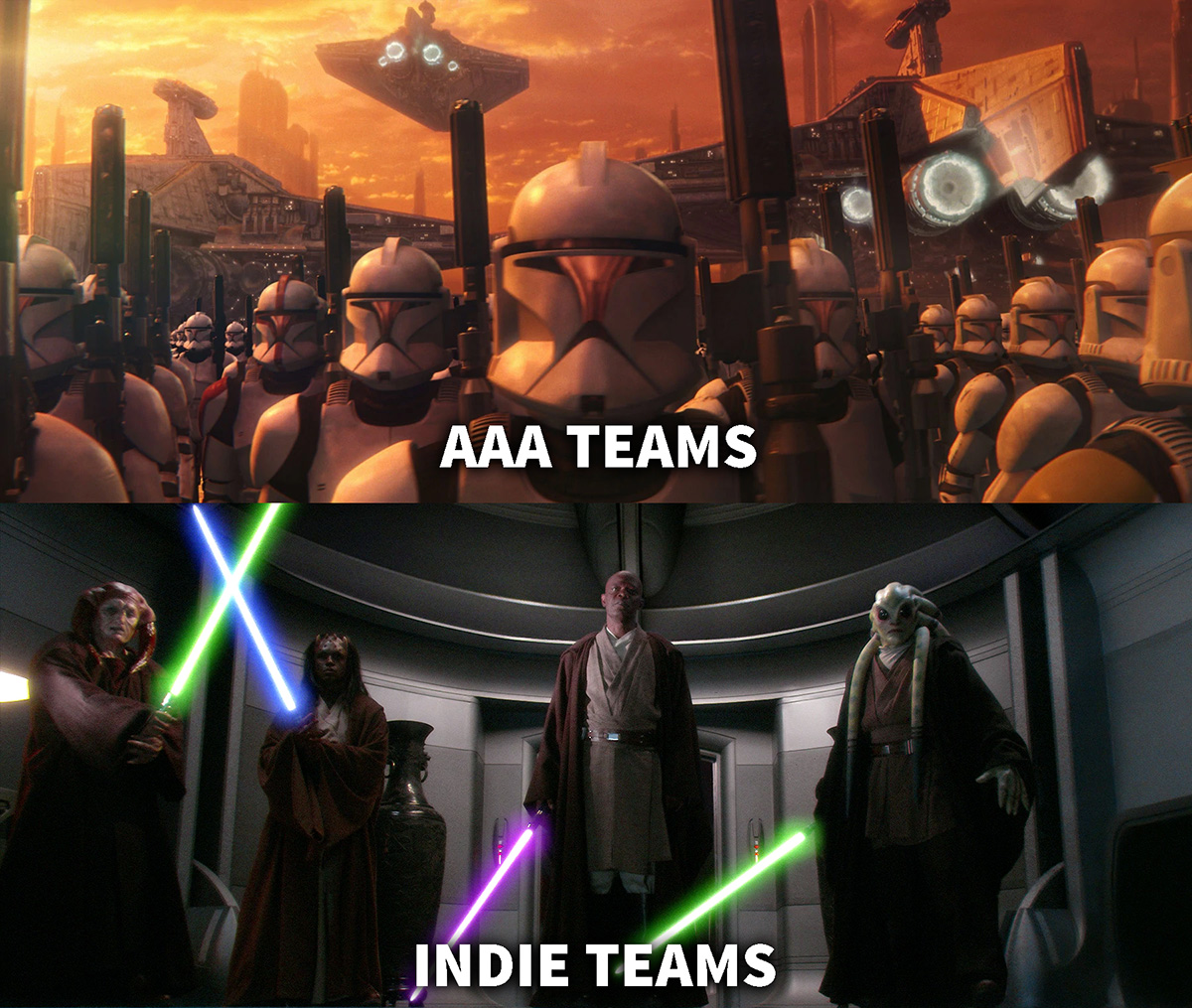
AAA games vs INDIE games
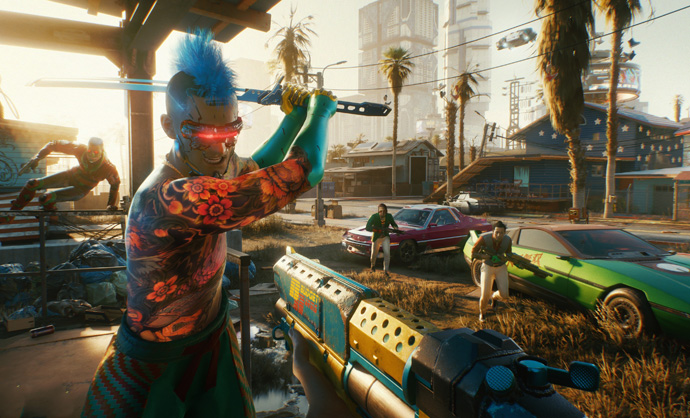
Cutting-edge graphics

Large studios
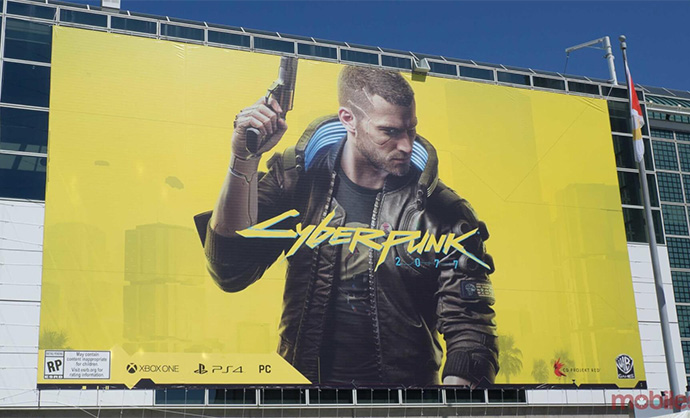
Massive campaigns
VS
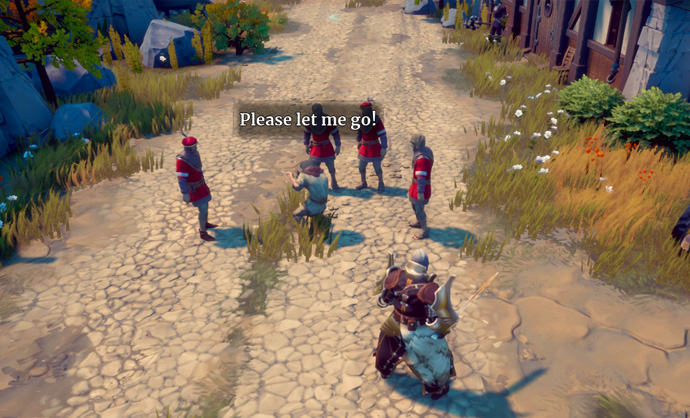
Modest graphics
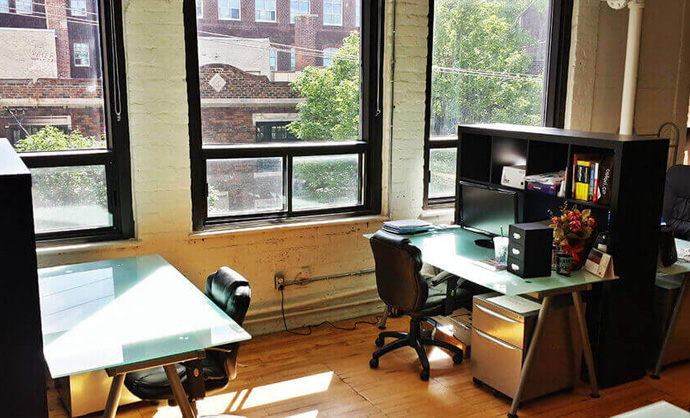
Small office
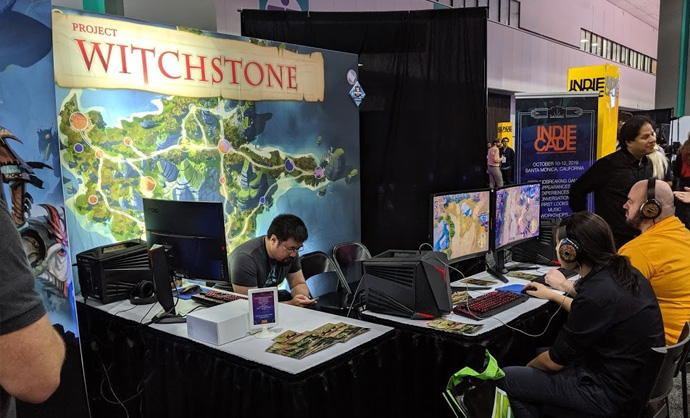
Conference tours
AAA vs Indie
Indie game developer
- must span a huge number of various subject areas
- the less resources you have, the more creative you need to be
AAA game developer
- specialized in a few areas
- making AAA is about delegating tasks to huge teams
- there isn't a lot of space for own expression
- many well-known AAA devs eventually went indie

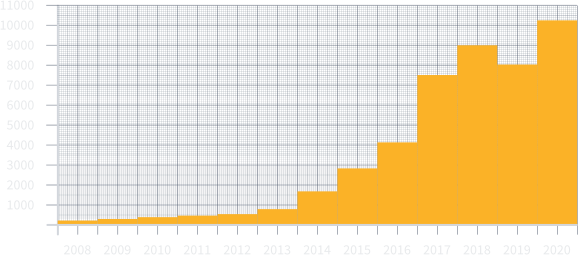
Games released on Steam
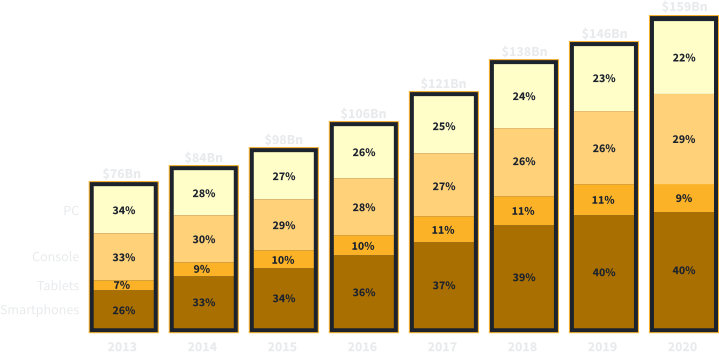
Global revenues

Game Industry Crisis
- in 1990s, the industry was small enough to come up with anything
- nowadays, the industry is oversaturated with games and tools
- it is easier than ever to develop a game
- it is harder than ever to develop a successful game
- Issues:
- low barrier of entry
- low median ownership
- lack of differentiation
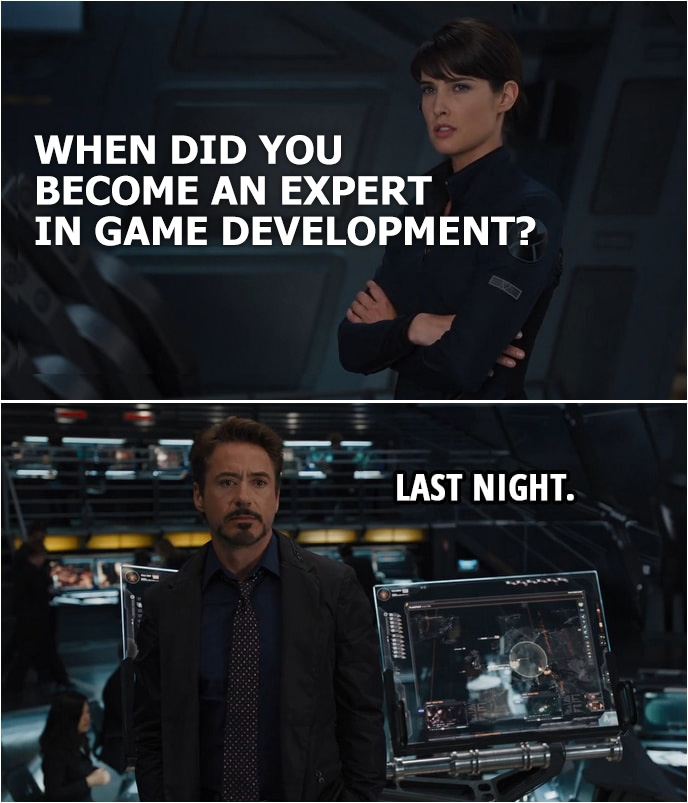

Game Developer
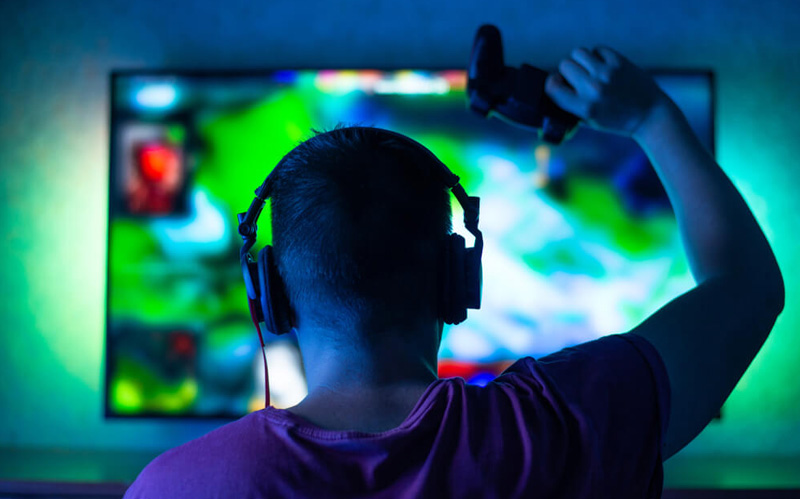
What my friends think I do
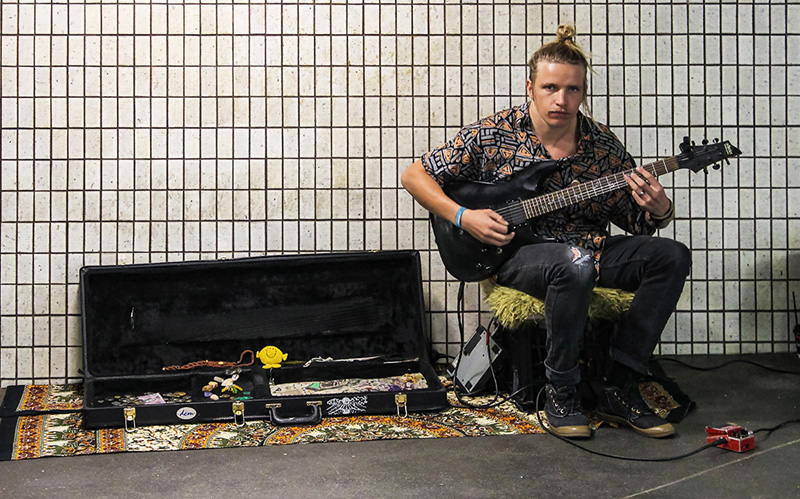
What my parents think I do

What society thinks I do

What the players think I do
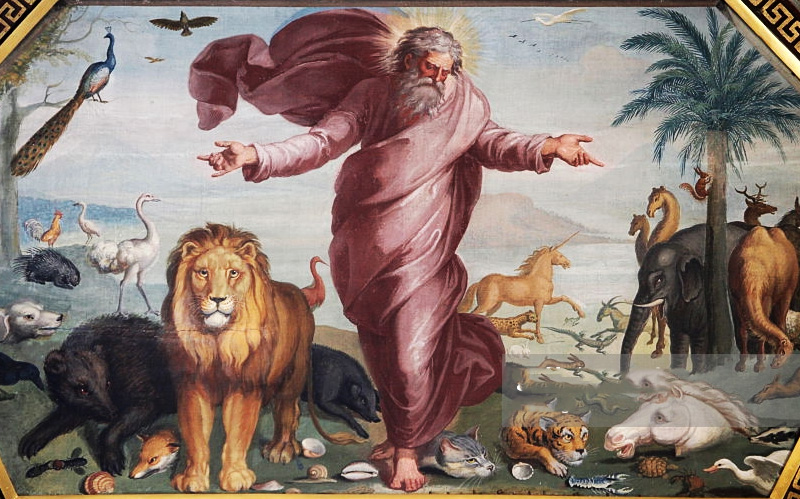
What I think I do

What I really do
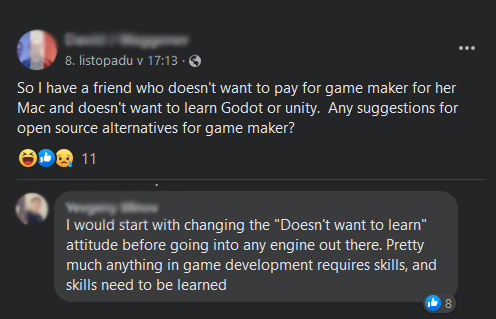
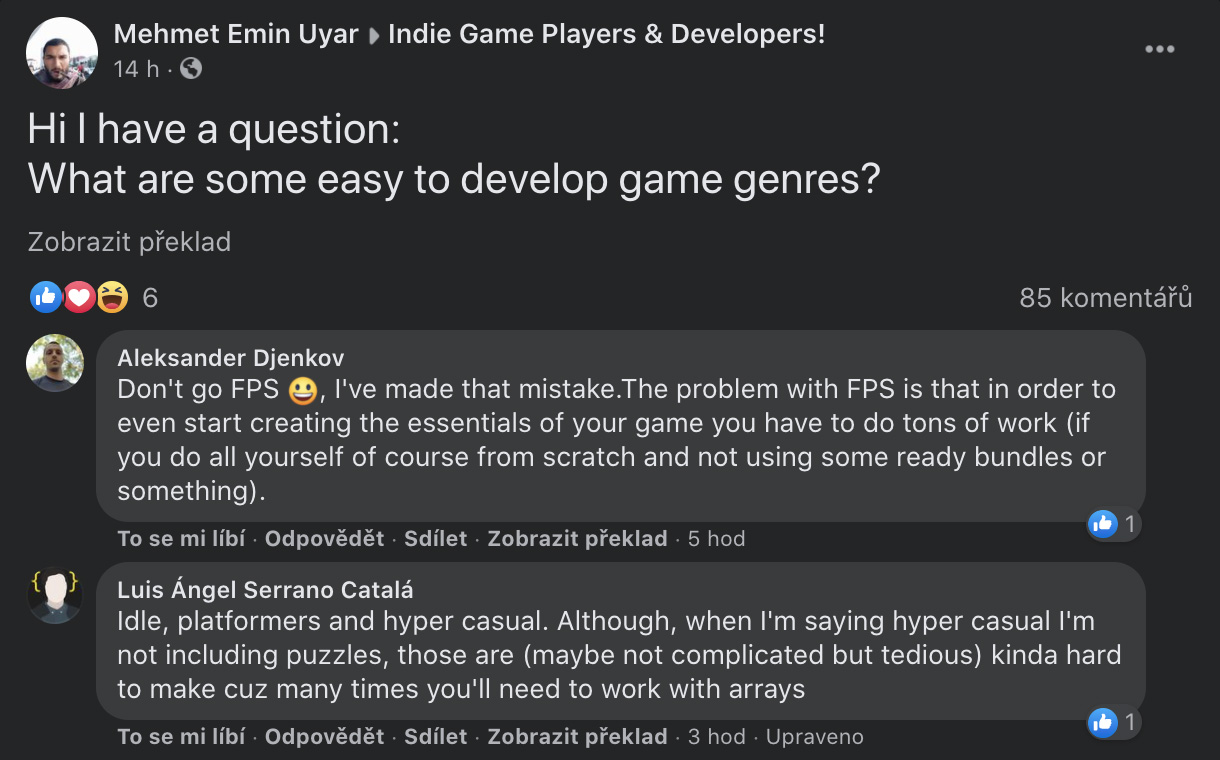
I-wanna-be-a-game-developer starter pack
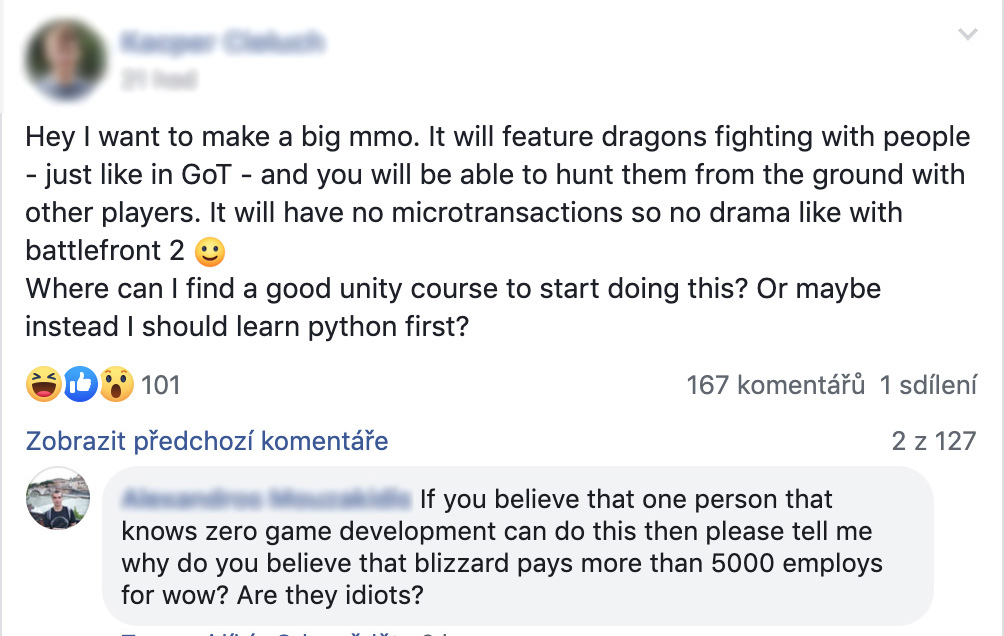
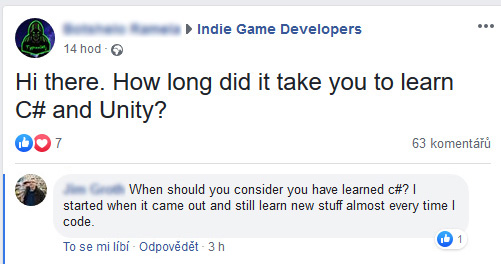
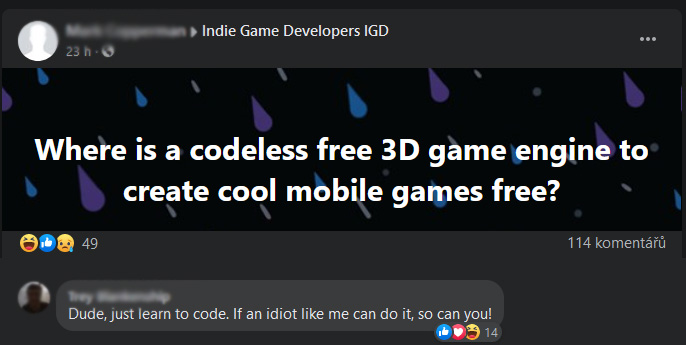
How to make a game
Stage 1
- create a few stupid simple games
- learn how to use tools and game assets
Stage 2
- do your research
- prepare a concept
- prototype
Stage 3
- take several months off from your day-to-day job
- make a unique game that stands out
- if you run out of budget, get a job, and go back to step 1
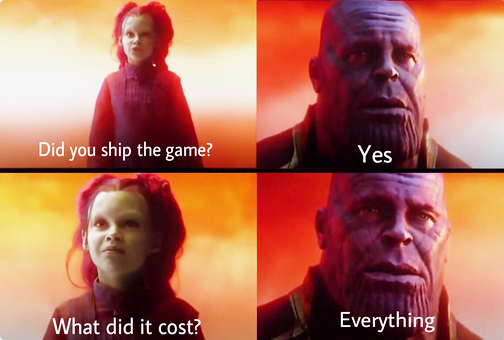
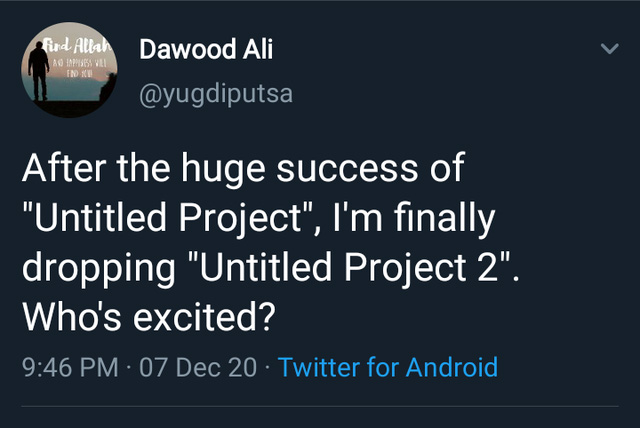
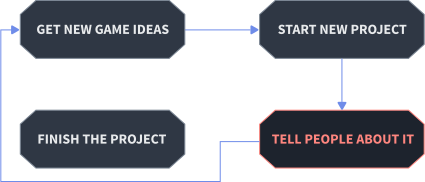
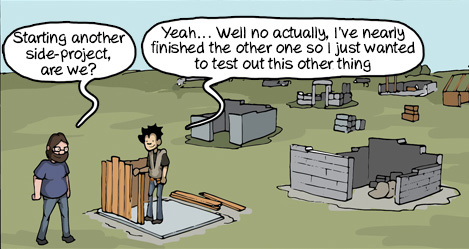
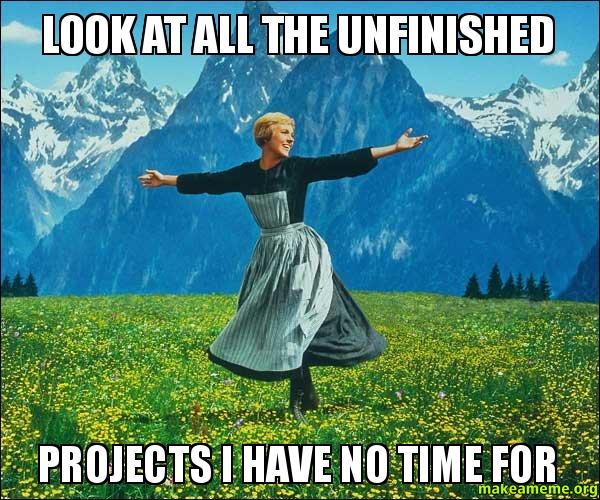
How Not to make a game
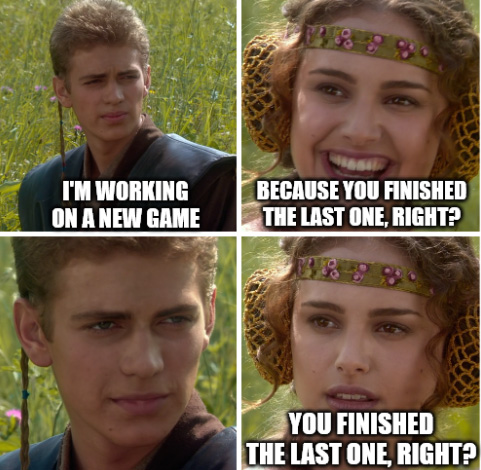
The iceberg illusion
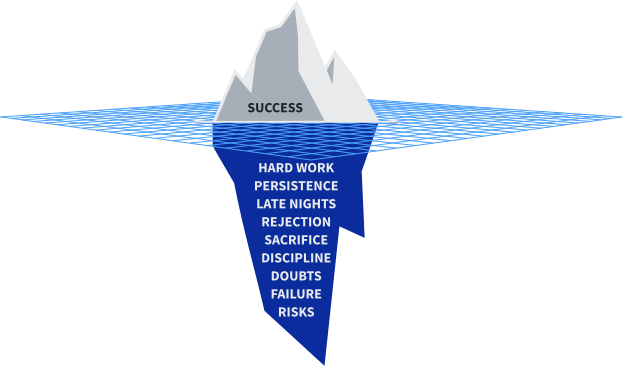
Making successful games is about persistence and hard work, as well as being in the right place at the right time with the right concept.
Honorable mentions


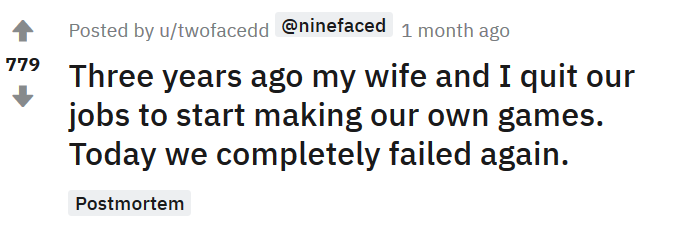
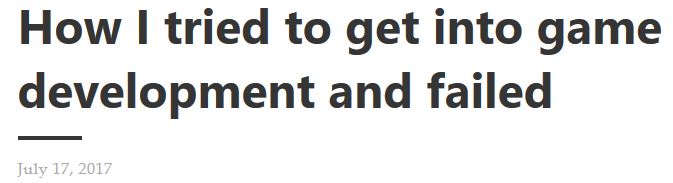
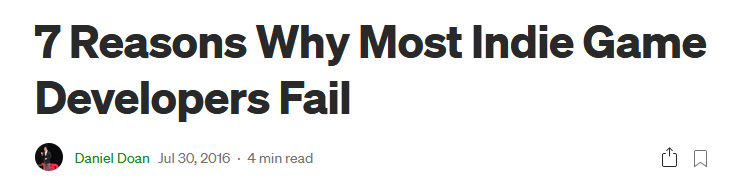
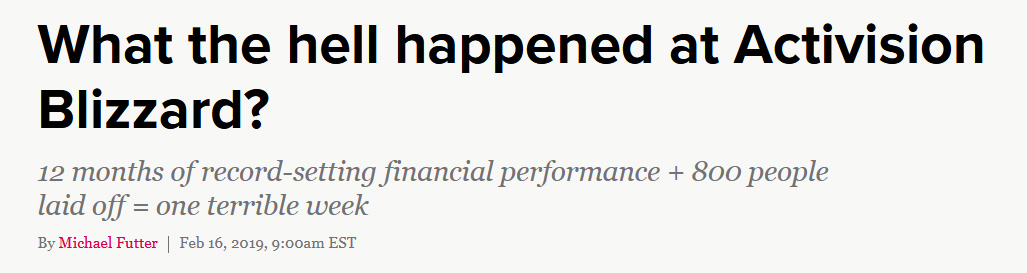
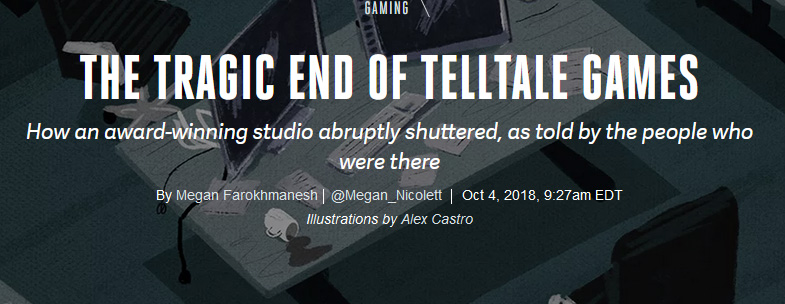
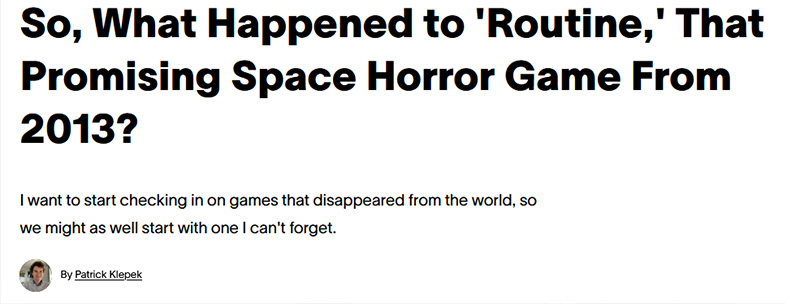



Raison d'etre
- Game development is a world of many heroes, a few stars and a very few superstars
- Yet, it's still a magnificent world that outlines a path upon which you can leave your own footprints
NI-APH legacy
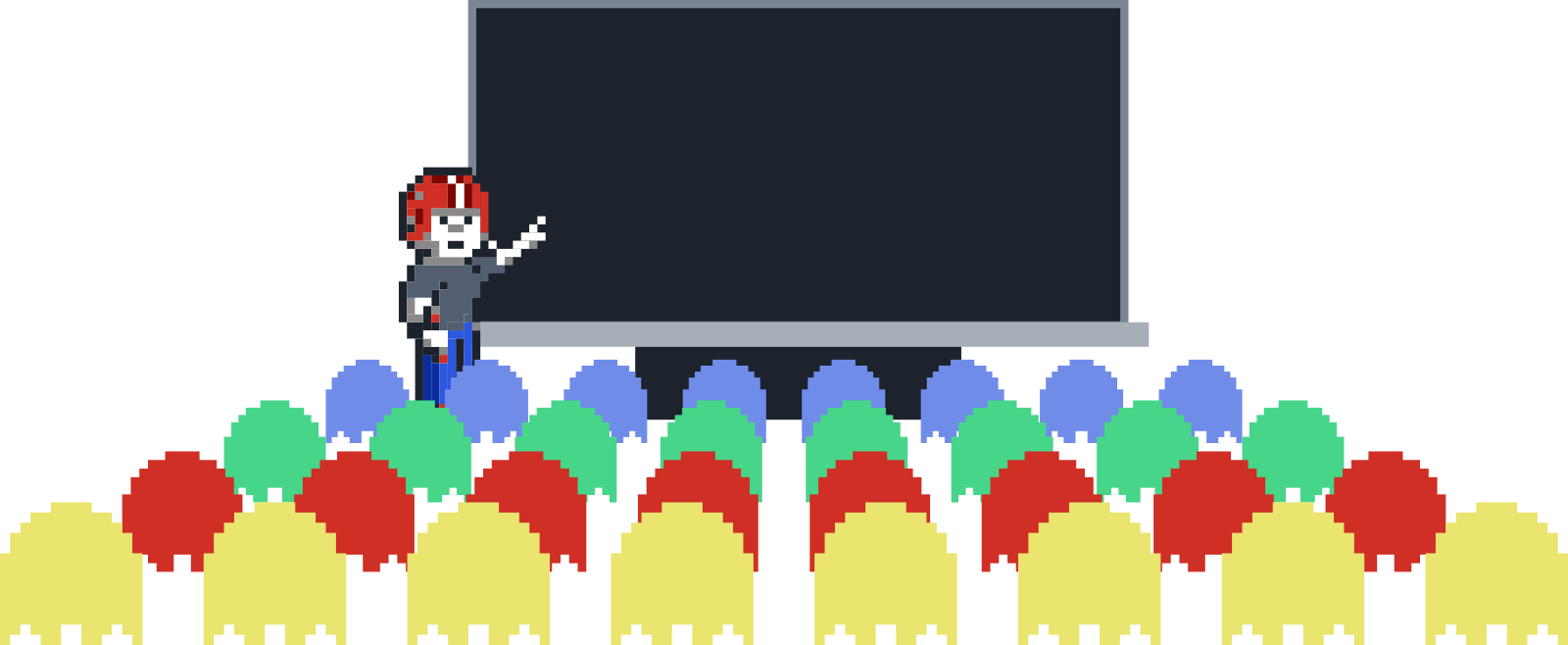
- To get a preview on what game development is and what challenges we may face there.
- To get enough knowledge that could be advanced further by
self-education.
Goodbye Quote
This is the second biggest sandwich I have ever seen!